



Veteran journalist Kwesi Pratt Jnr. has questioned the significance of the recent meeting between President John Dramani Mahama and former President Nana Addo Dankwa Akufo-Addo, arguing that the public needs to know what was discussed and the outcomes reached beyond the positive optics.
He said although the meeting presented a good picture of political cordiality, its real value could only be assessed if Ghanaians were given details of the discussions, agreements and disagreements between the two leaders.
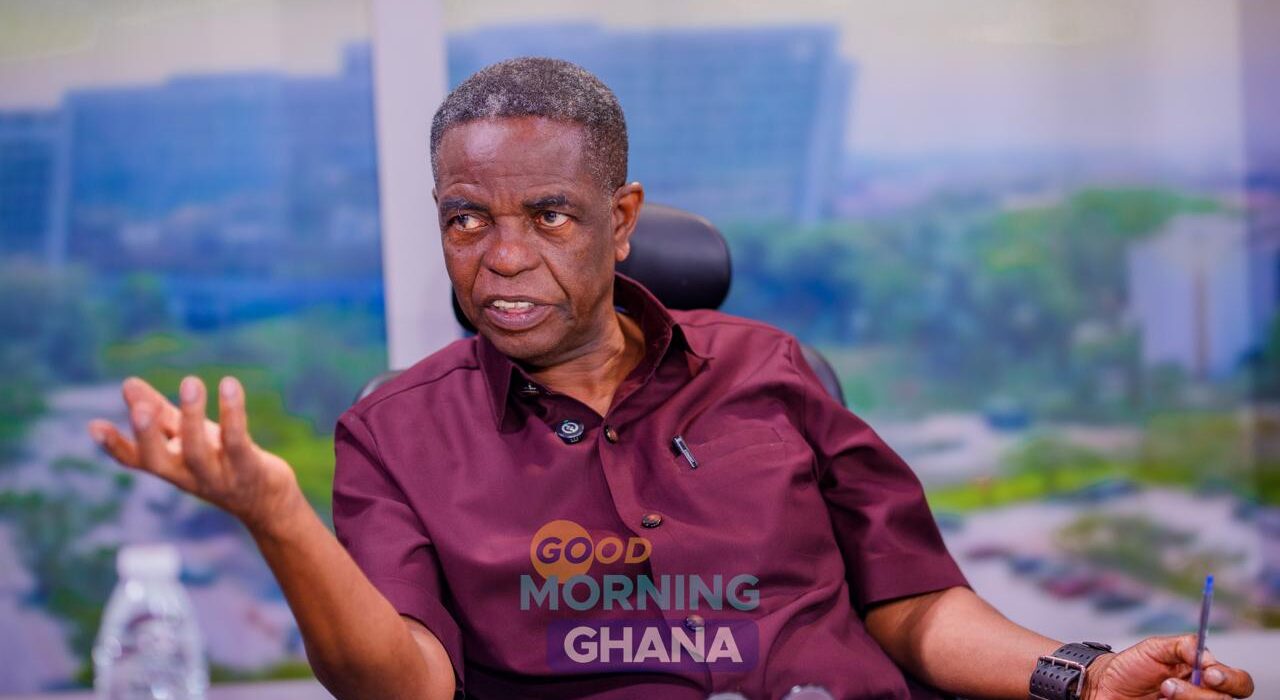
Mr. Pratt, speaking on Metro TV’s Good Morning Ghana programme on Wednesday, November 18, 2026, said the absence of official information about the meeting had created room for speculation, particularly over whether issues relating to corruption prosecutions and the handling of previous government officials were discussed.
“The cosmetics, optics, aesthetics are good. But I think it’s important to look at substance,” he said.
He argued that the lack of information about the meeting made it difficult for the public to engage meaningfully with its significance and assess whether it would produce any concrete political or governance outcomes.
According to him, there was already speculation that the two leaders might have discussed prosecutions involving alleged corruption, although he stressed that there was no evidence to support such claims.
He cautioned that any agreement that could be interpreted as a softening of the NDC’s position on corruption prosecutions could have political consequences for President Mahama.
“If he were to enter into such an agreement, or to soften his stance, I suspect that his popularity level within the NDC would drop significantly,” he said.
The founding editor of the Insight Newspaper, however, was careful to distinguish his concerns from established facts, stressing that he had no knowledge of what transpired behind closed doors.
He blamed the information gap for the growing public speculation, warning that secrecy surrounding high-level political engagements could sometimes create more problems than the absence of such meetings.
“When these meetings are held, and the nature of the discussions, the disagreements and agreements are hidden from us, it leads to these speculations. It can be very more dangerous than the absence of meetings,” he stated.
Mr Pratt therefore called for greater transparency whenever former and sitting presidents hold such engagements, arguing that communicating the issues discussed and areas of agreement or disagreement would help the public understand their purpose.
He also questioned whether the meeting signalled a possible shift in the governing NDC’s position on national development, considering the sharp differences it expressed against the Akufo-Addo administration during the 2024 election campaign.
He recalled that President Mahama and the NDC secured a strong electoral mandate after campaigning against the previous government’s approach to national development.
Against that background, he said Ghanaians deserved to understand whether the current administration was reconsidering aspects of its predecessor’s policies or seeking to persuade the opposition to support its development agenda.
“Now, if President Mahama decides to visit Nana Addo Dankwa Akufo-Addo, what is the message? What was condemned? Is there something valuable in what was so vehemently condemned, leading to this massive mandate?” he asked.
Warns against weakening multi-party democracy
Away from that, Mr Pratt expressed concern about what he described as growing attempts to push Ghana’s political parties towards unanimity at the expense of healthy political differences.
He maintained that disagreement was fundamental to multi-party democracy because political parties exist to offer different approaches to addressing the country’s challenges.
“Multi-partyism, multi-partyism is fashioned on difference. If you remove difference, if you substitute unanimity, and so on, multi-party doesn’t make sense anymore,” he argued.
He disagreed with suggestions that every government should be required to implement a single national development programme, regardless of its political affiliation, saying such an arrangement could undermine the purpose of electoral competition.
According to him, political parties should be allowed to present competing ideas on how Ghana should generate resources, pursue development and address national challenges.
“The national interest is not defined by all persons in the same way,” he said.
Mr Pratt warned that attempts to eliminate political differences in the name of national unity could eventually undermine the country’s multi-party system.
He added that Ghana’s political culture should not confuse cordial relations among political leaders with the need for political parties to maintain distinct policy positions.
Questions whether previous meetings reduced political violence
Mr Pratt also challenged the argument that meetings between sitting and former presidents could help reduce political tension and hostility among party supporters.
While acknowledging that such engagements could send a positive message about national unity, he questioned whether previous meetings had translated into meaningful improvements in political tolerance and security.
He cited former President Akufo-Addo’s engagements with his predecessors, including former Presidents Jerry John Rawlings, John Agyekum Kufuor and John Dramani Mahama, after assuming office.
Although those meetings were widely welcomed, Mr Pratt said they did not prevent subsequent incidents of political violence.
He specifically referenced the violence surrounding the Ayawaso West Wuogon by-election and other killings associated with the country’s electoral processes.
“Did it prevent the maiming of party supporters at Ayawaso West Wuogon elections? Did it prevent the killing that took place around the elections between then and now? It didn’t,” he said.
He consequently questioned what made the latest meeting different from previous engagements and whether there was sufficient reason to expect a different outcome.
“How is this meeting so different from the previous meetings? Why do you expect a different outcome from the same happenings in the past? I don’t know,” he added.
Mr Pratt maintained that while the meeting between President Mahama and former President Akufo-Addo might have presented a reassuring image of political friendship, its real importance should be judged by the issues addressed and whether it contributes meaningfully to Ghana’s democratic development.
Source: Metro TV GH