




Ghana’s economy grew by 5.1% in May 2026, but the latest figures from the Ghana Statistical Service (GSS) point to a growing imbalance in the sources of that growth, with services doing much of the heavy lifting while agriculture slows sharply.
The GSS said economic activity increased by 5.1% year-on-year in May, compared with 6.6% in the same month last year.
The latest Monthly Indicator of Economic Growth (MIEG) put the May index at 121.90, up from 115.90 a year earlier.
Statistician Dr Alhassan Iddrisu, who presented the figures on 13 August, used a simple comparison to explain the increase.
“For every GH¢100 of activity in May last year, the economy produced about GH¢105 in May 2026,” he said.
The figures show that Ghana’s economy is still expanding at a relatively strong pace, but more slowly than it was a year ago.
More importantly, the composition of that growth raises questions about how broad based the recovery is and whether it is translating into enough jobs, investment and higher household incomes.
Services remain the main driver
The services sector expanded by 7.2% in May, only slightly below the 7.5% recorded a year earlier.
It accounted for 51% of the overall increase in economic activity, making it by far the largest contributor to growth.
Information and communication emerged as the main driver within the sector, with further support coming from trade, transport, banking and other service activities.
The strong performance of information and communication underlines the growing importance of digital and technology related activities to Ghana’s economy.
But the GSS data also suggest that the strength of services should not obscure weaknesses elsewhere.
Industry grew by 4.2% in May, compared with 4.6% a year earlier, and contributed 23.8% to overall growth.
Mining and quarrying was the main driver of industrial expansion.
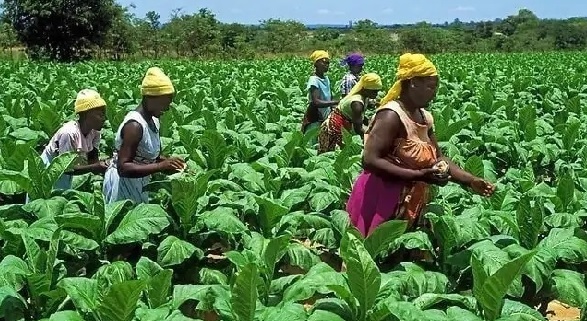
Agriculture, however, recorded a much weaker performance, prompting the GSS to warn that Ghana is not doing enough to develop the sector.
Agriculture remains a concern
The concern is significant because agriculture remains closely linked to food supply, rural employment and household incomes.
A continued slowdown in the sector could eventually have wider consequences for the economy, particularly if weaker agricultural output puts pressure on food prices and incomes in rural communities.
The latest figures therefore present a mixed picture.
On one hand, Ghana is growing, with services showing strong momentum and industry remaining relatively stable.
On the other, the slowdown from last year’s growth rate and the weaker performance of agriculture suggest that the recovery is not being shared evenly across the economy.
The GSS says the current pace of growth creates room for average incomes to continue rising. But the bigger policy question is whether economic expansion is creating enough employment, improving productivity and encouraging businesses to invest.
For many households, the real measure of an economic recovery is not the headline growth figure but whether they can find work, earn more and afford everyday necessities.
The growing importance of digital and communication services could provide Ghana with another powerful source of long term growth. But policymakers will need to avoid the temptation of allowing stronger performing sectors to overshadow areas that remain critical to the wider economy.
A sustainable recovery will require several parts of the economy to perform together, including a productive agricultural sector capable of supporting food security, jobs and rural incomes.
The May figures therefore provide an early indication of the shape of Ghana’s recovery.
The economy is growing, but at a slower pace than a year earlier, with services continuing to lead the expansion and industry holding relatively steady while agriculture loses momentum.
The next test will come with the June MIEG figures and the full second quarter GDP release.
For policymakers, the challenge will be to ensure that Ghana’s services led recovery develops into broader economic transformation before weakness in agriculture becomes a bigger constraint on prices, employment and household incomes.
The message from the latest data is clear: Ghana’s economy is growing, but the priority now is to make sure more parts of the economy grow with it.
By Martha Seyram Jackson
Soource: Metro TV